
 +65 64766821
Get In Touch
+65 64766821Book An Appointment

How a Skin Specialist Diagnoses Common Skin Conditions
July 2026

Dr Koh Hong Yi
Senior Consultant Dermatologist
 MBBS (Singapore), MRCP (UK), MMed (Internal Medicine), FAMS (Dermatology)
Many skin, hair and nail conditions can look alike despite having very different underlying causes. A persistent rash, for example, may be eczema, psoriasis, a fungal infection or an allergic reaction, while facial redness could be rosacea, acne or another inflammatory skin condition. A skin specialist is trained to distinguish between these common skin conditions through a detailed assessment, helping discover the underlying cause rather than treating symptoms as they appear.
In order to achieve this, a skin specialist uses a combination of diagnostic tests and assessments to identify the root cause of your symptoms, as well as the condition responsible. Knowing how this process works can help you better understand your diagnosis, why certain tests may be recommended and how your specialist determines the most appropriate management approach.
What Happens During a Skin Specialist Consultation?
A consultation usually follows a structured process, where your doctor gathers the information needed for an accurate diagnosis. While the exact approach depends on your symptoms, you can generally expect the following steps.
Discussing Your Symptoms and Medical History
Your consultation begins with a discussion about your symptoms, including when they first appeared, how they have changed over time and whether anything seems to trigger or relieve them. Your skin specialist may also ask about your medical history, current medications, allergies and any family history of skin conditions.
Examining the Affected Area
The affected area is then examined closely to assess its appearance and characteristics. Depending on your symptoms, this may involve examining your skin, scalp, hair or nails, as well as checking other parts of the body if they may be related to your condition.
Forming an Initial Clinical Assessment
Using the information gathered during the consultation and examination, your skin specialist forms an initial clinical assessment. In many cases, the distinctive features of a condition are enough to make a clinical diagnosis during the consultation.
Which Common Skin Conditions Can Often Be Diagnosed Clinically?
For many patients, the information gathered during the consultation is enough for a skin specialist to make a clinical diagnosis. Some skin conditions have distinctive features that can often be recognised without additional investigations, including:
Acne
Acne is typically identified by the presence of blackheads, whiteheads, papules, pustules or cysts in areas with a high concentration of oil glands, such as the face, chest and back. The severity and distribution of these lesions also help distinguish acne from other inflammatory skin conditions.Eczema
Eczema is often recognised by dry, itchy and inflamed patches of skin that occur in characteristic locations depending on a person's age. Your skin specialist also considers whether symptoms are recurrent and whether there is a personal or family history of allergic conditions.Psoriasis
Psoriasis commonly presents as well-defined, thickened red plaques covered with silvery scales. The appearance, distribution and symmetry of these plaques, particularly on the elbows, knees and scalp, often provide strong diagnostic clues.Rosacea
Rosacea is usually diagnosed based on persistent facial redness, visible blood vessels and episodes of flushing. Some patients may also develop acne-like bumps, which a skin specialist can distinguish from acne by evaluating the overall pattern of symptoms.Warts
Warts are generally identified by their characteristic rough, raised surface and typical locations on the hands, feet or other areas of the body. A close examination usually allows them to be differentiated from corns, calluses and other benign skin lesions.Benign Skin Growths
Common benign skin growths, such as skin tags, often have distinctive appearances that allow them to be recognised during a clinical examination.
When Might a Skin Specialist Recommend Further Investigation?
Additional investigations are not required for every patient, but they may be recommended when a diagnosis remains uncertain or further information is needed. This is more likely when symptoms have an unusual presentation, overlap with other skin conditions or raise concern for a more serious underlying cause.
Your skin specialist may recommend further testing in situations such as the following:
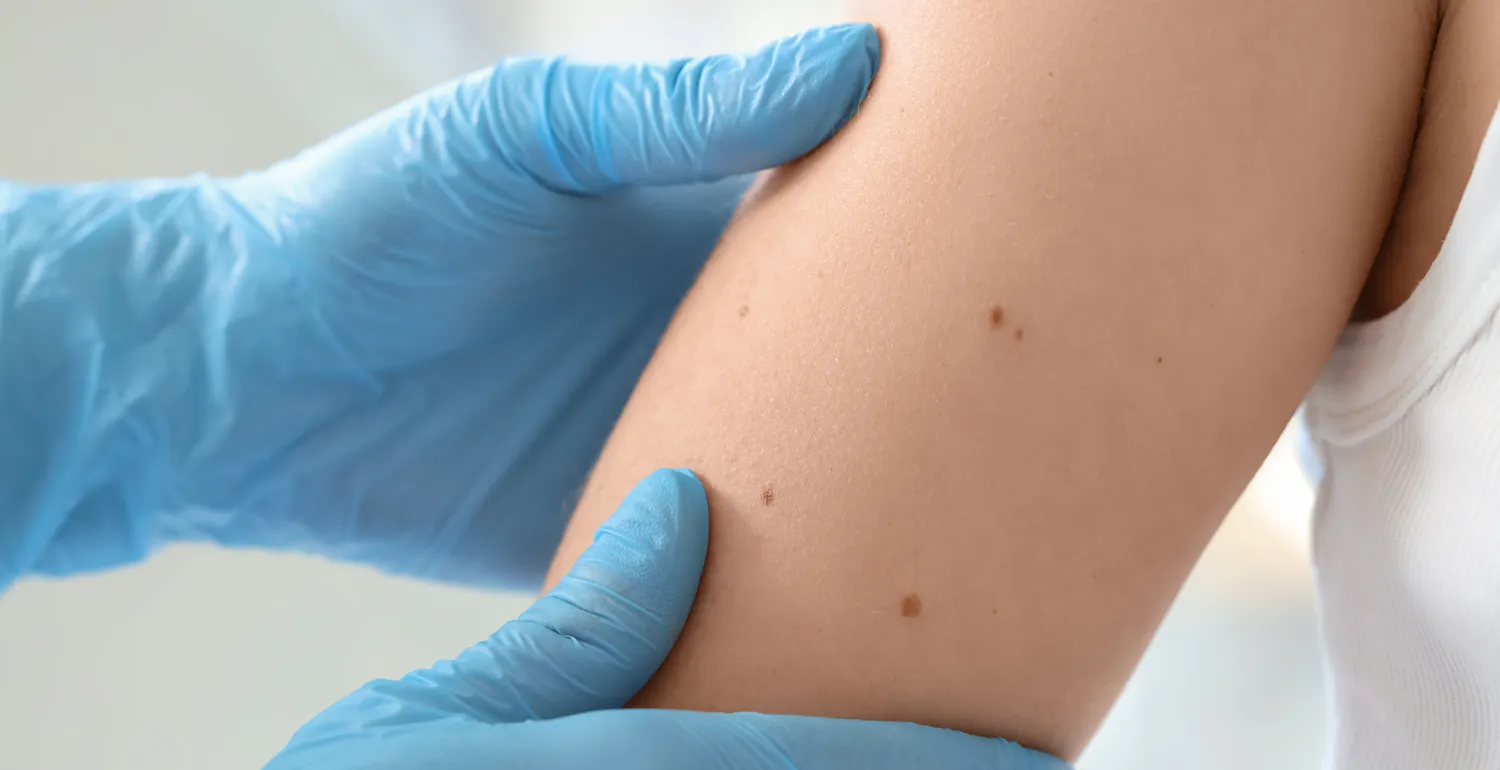
- A changing or suspicious mole: Changes in size, shape, colour or border, or a mole that bleeds or crusts, may require closer assessment. These changes can be a potential sign of skin cancer, making further investigation worthwhile.
- A persistent or unusual rash: Symptoms that do not improve, recur frequently or have an atypical appearance may need further investigation.
- Recurrent skin infections: Repeated bacterial, fungal or viral infections may indicate an underlying skin or medical condition, potentially making skin infection treatment necessary.
- Hair loss with multiple possible causes: Additional investigations may help distinguish between genetic, autoimmune, hormonal or nutritional causes.
- Unexplained nail changes: Thickening, discolouration or changes in nail growth may require further assessment to determine the underlying cause.
Depending on the suspected condition, your skin specialist may recommend one or more diagnostic tests to gather additional information or confirm the diagnosis.
What Tests Can a Skin Specialist Clinic Use to Confirm a Diagnosis?
The diagnostic tests recommended will depend on your symptoms and your skin specialist's clinical assessment. While not every patient requires additional investigations, the following tests are commonly used to gather more information or confirm a suspected diagnosis.
Dermoscopy
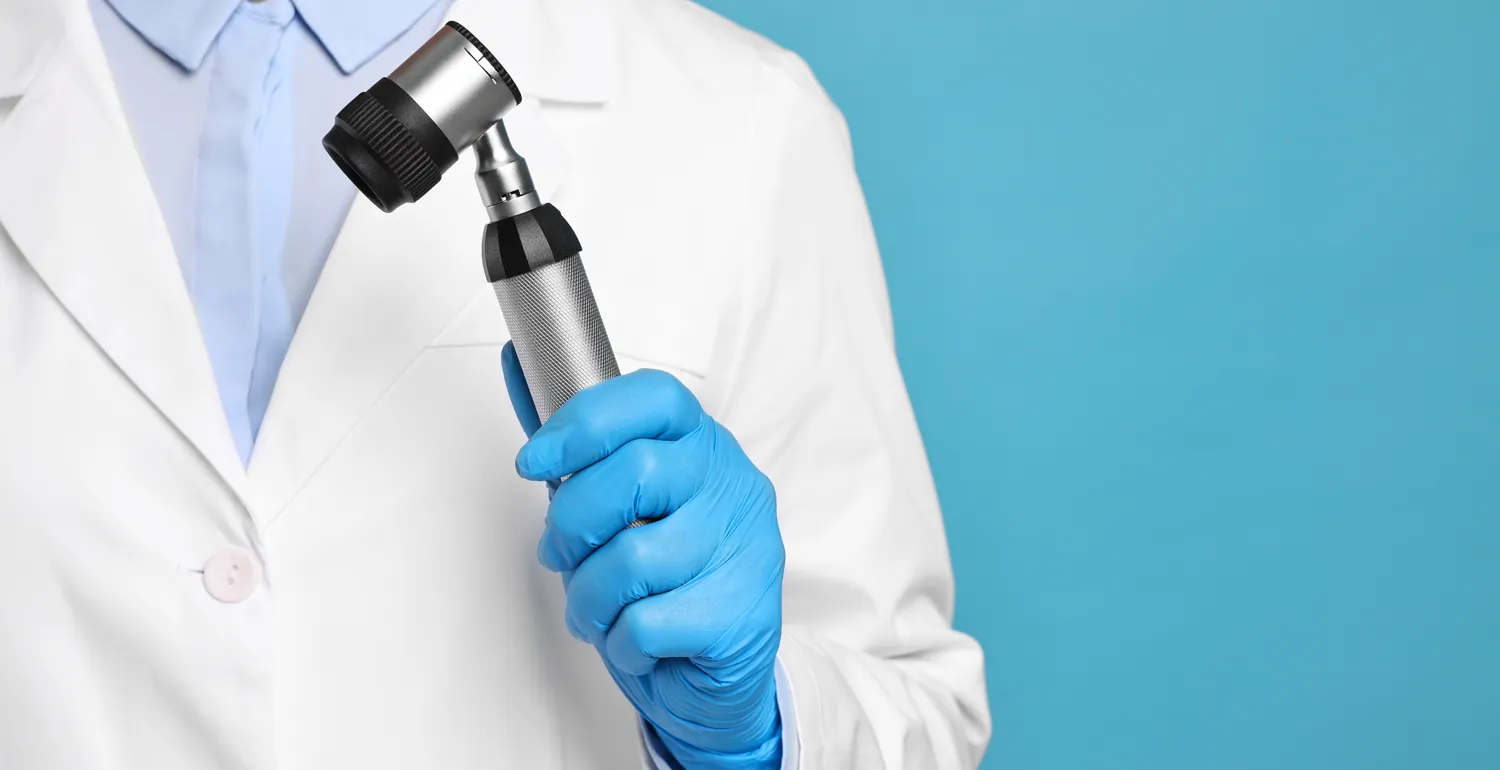
A handheld magnifying device with a built-in light is placed over the skin to examine lesions in greater detail. This quick, non-invasive examination helps assess moles, pigmented lesions and other skin abnormalities that are difficult to evaluate with the naked eye.
Skin Scraping or Swab Test
A gentle scraping or swab is used to collect a sample from the surface of the skin for laboratory testing. This is commonly performed when a fungal, bacterial or other skin infection is suspected.
Patch Testing
Small amounts of common allergens are applied to your back using adhesive patches, which remain in place for a designated period before your skin is assessed for reactions. This skin allergy test helps identify substances that may be causing allergic contact dermatitis.
Skin Biopsy
If further analysis is needed, your skin specialist may remove a small sample of skin under local anaesthetic for laboratory examination. This can help confirm certain skin diseases or investigate suspicious lesions, including possible skin cancers.
Blood Tests
A simple blood sample may be recommended when an underlying medical condition, autoimmune disease or other systemic cause is suspected. Blood tests are not routinely required for every skin condition but can provide useful supporting information in selected cases.
Expert Assessment for Your Skin Concerns at TSN Dermatology
Some skin conditions are straightforward to recognise, while others require careful evaluation to distinguish between similar-looking diseases or identify an underlying cause. At TSN Dermatology, our senior consultant dermatologist Dr Koh Hong Yi combines clinical expertise with a systematic approach, recommending further investigations where appropriate in order to reach a diagnosis.
Dr Koh provides comprehensive care for a wide range of skin, hair and nail conditions, including acne, eczema, psoriasis, skin infections, skin allergies, pigmentary disorders and skin cancer. Backed by more than 20 years of experience in medical, surgical and aesthetic dermatology, he develops personalised management plans tailored to each patient's condition and individual needs.
If you have persistent, changing or unexplained skin concerns, contact us today to book a thorough assessment.
FAQs About Diagnosing Skin Conditions
Many skin conditions can be diagnosed during the initial consultation based on your medical history and a physical examination. However, if the diagnosis is unclear or a more serious condition is suspected, additional tests such as a skin biopsy or laboratory investigations may be recommended.
No. Most common skin conditions, including acne, eczema and psoriasis, can often be diagnosed without a biopsy. A skin biopsy is usually reserved for cases where the diagnosis is uncertain or when skin cancer or certain inflammatory skin diseases need to be confirmed.
It is helpful to bring a list of your current medications, any skincare products you are using and details about when your symptoms began. If your skin condition changes over time, photographs showing how it has progressed may also assist your skin specialist.
Yes. Many skin conditions can share symptoms such as redness, itching, scaling or pigmentation changes. A thorough assessment helps distinguish between conditions with similar appearances, ensuring the diagnosis is as accurate as possible.
If your symptoms persist, worsen or keep returning despite using over-the-counter treatments, it is advisable to consult a skin specialist. An accurate diagnosis can help identify the underlying cause and guide the most appropriate management plan.
Meet Our Doctor
MBBS, MRCP (UK), M.Med (Internal Medicine), FAMS (Dermatology)

Dr Koh Hong Yi has over 20 years of clinical experience spanning Singapore and the United Kingdom. He previously served at Singapore General Hospital and was involved in medical teaching at Duke-NUS Medical School. He believes in a personalised and thoughtful approach to care, taking the time to understand each patient’s concerns and recommend treatment tailored to their needs.
More About Dr Koh