
 +65 64766821
Get In Touch
+65 64766821Book An Appointment

Why Some Skin Conditions Require Multiple Clinic Visits
July 2026


Dr Koh Hong Yi
Senior Consultant Dermatologist
 MBBS (Singapore), MRCP (UK), MMed (Internal Medicine), FAMS (Dermatology)
When you visit a skin clinic, you may expect to leave with a clear diagnosis and treatment plan after a single appointment. While many skin conditions can be assessed and managed this way, others require more than one clinic visit to build a complete picture of what is happening and ensure that the diagnosis is accurate.
Unlike conditions that remain relatively stable, some skin problems evolve over time. Symptoms may improve, worsen or change in appearance, while certain treatments may take several weeks before their effectiveness can be properly evaluated. Follow-up visits allow your skin specialist to monitor these changes, review your progress and determine whether your diagnosis or management plan needs to be refined.
Understanding why multiple clinic visits are sometimes recommended can help you know what to expect when visiting a skin clinic and appreciate the role of ongoing assessment in achieving the best possible outcome for your skin health.
Why One Clinic Visit Is Not Always Enough
Many skin conditions can be diagnosed and managed during a single consultation. However, some require additional clinic visits because the diagnosis may not be immediately clear, the condition can change over time or ongoing monitoring is needed to assess its progress.
Your skin specialist may recommend a follow-up appointment to:
- Monitor how your symptoms or skin changes evolve over time
- Assess how well your skin is responding to treatment
- Review the results of investigations, such as a skin biopsy or laboratory tests
- Confirm or refine the diagnosis if your symptoms overlap with other skin conditions
- Detect any signs of recurrence or progression, particularly for chronic skin conditions or skin cancer
Attending follow-up appointments allows your skin specialist to build a more complete understanding of your condition and ensure that your care remains appropriate as your skin changes.
Which Skin Conditions Commonly Require Ongoing Follow-Up?
While many skin conditions improve after a single course of treatment, others benefit from regular review to monitor progress, assess treatment response or detect changes that may require further attention. Depending on your diagnosis, your skin specialist may recommend follow-up visits at appropriate intervals.
Eczema
Eczema can fluctuate over time, with periods of improvement and flare-ups. Follow-up appointments allow your skin specialist to assess disease control, identify potential triggers and adjust your management plan if needed.
Psoriasis
Psoriasis is a chronic inflammatory skin condition that often requires long-term monitoring. Regular reviews help evaluate disease activity, monitor response to treatment and assess for potential treatment-related side effects where appropriate.
Acne
Moderate to severe acne may require several follow-up visits to monitor improvement, adjust medications and minimise the risk of permanent scarring. Regular review is particularly important when prescription treatments are used.
Skin Cancer
Patients diagnosed with skin cancer or those at increased risk may require ongoing skin examinations to monitor for recurrence or identify new suspicious lesions. The frequency of follow-up depends on the type of skin cancer and individual risk factors.
Chronic Urticaria
Chronic urticaria can change in severity over time and may require adjustments to treatment. Follow-up appointments help assess symptom control and determine whether further investigations or changes in management are appropriate.
What Happens During Follow-Up Visits?
Each follow-up visit is tailored to your condition and how your symptoms have changed since your previous appointment. Your skin specialist will review your progress, assess your skin and determine whether any adjustments to your care are needed.
Reviewing Your Symptoms
Your skin specialist may ask whether your symptoms have improved, remained the same or worsened. You may also be asked about any new symptoms, possible triggers or side effects experienced since your last visit.
Examining Your Skin
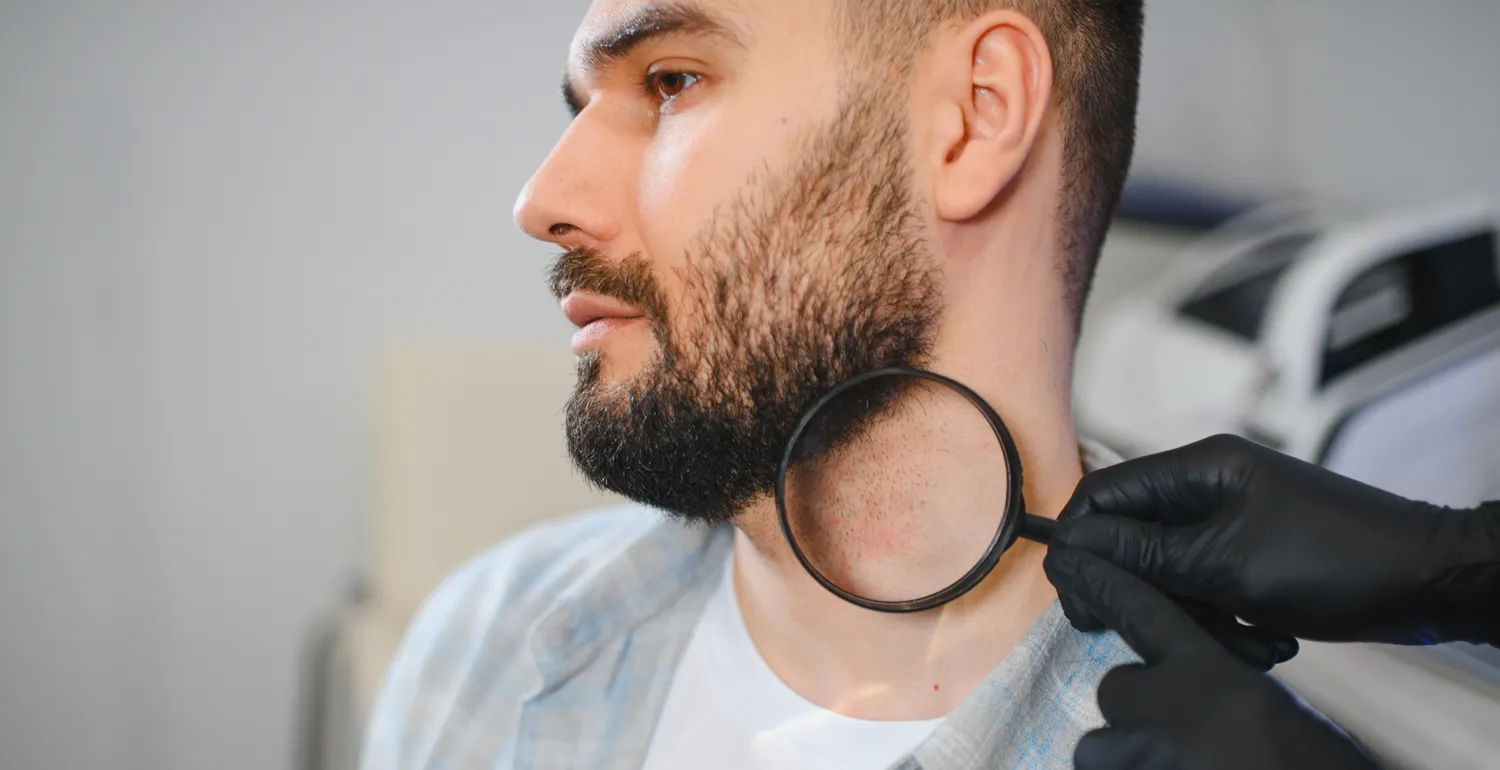
The affected areas will be examined again to assess changes in appearance, size, colour or extent. Comparing these findings with previous visits helps determine whether your condition is improving, remaining stable or progressing.
Reviewing Test Results
If a skin biopsy, laboratory test or other investigation was performed, your skin specialist will explain the results and discuss what they mean for your diagnosis and ongoing care.
Adjusting Your Care Plan
Based on your progress, your skin specialist may recommend continuing your current treatment, modifying your management plan or arranging further investigations if additional information is needed. Regular follow-up helps ensure your care remains appropriate as your condition changes over time.
Supporting Your Skin Health Beyond the First Visit at TSN Dermatology
Some skin conditions can be diagnosed and managed in a single visit, while others require ongoing assessment to monitor changes, evaluate treatment response or confirm the diagnosis over time. Attending recommended follow-up appointments allows your skin specialist to make informed decisions and provide care that is tailored to your condition as it evolves.
At TSN Dermatology, we provide personalised care for both acute and chronic skin conditions, with follow-up plans tailored to each patient's needs. Dr Koh Hong Yi is a senior consultant dermatologist with more than 20 years of clinical experience, taking a thorough and individualised approach to monitoring skin conditions over time and reviewing patients' progress at each stage of care. Schedule a consultation with Dr Koh to receive a comprehensive skin assessment and personalised follow-up care.
FAQs About Dermatology Follow-Up Visits
The recommended follow-up schedule depends on your skin condition, its severity and how well it is responding to treatment. Some conditions may only require occasional review, while chronic or more complex conditions may benefit from regular monitoring.
Yes, in some cases. A follow-up visit allows your skin specialist to confirm that your condition is improving as expected, determine whether treatment should be adjusted or stopped, and reduce the risk of recurrence where appropriate.
Bring any medications or skincare products you are currently using, and let your skin specialist know about any changes in your symptoms. If your condition has varied since your last visit, photographs can also help document its progression.
Not always. Some skin conditions improve before the underlying inflammation or disease is fully controlled. It is important to follow your skin specialist's advice and discuss any changes to your treatment during your follow-up appointment.
No. Many skin conditions can be managed after one or a few visits. However, chronic conditions such as eczema, psoriasis and certain skin cancers may require ongoing review to monitor for recurrence, progression or response to treatment.
Meet Our Doctor
MBBS, MRCP (UK), M.Med (Internal Medicine), FAMS (Dermatology)

Dr Koh Hong Yi has over 20 years of clinical experience spanning Singapore and the United Kingdom. He previously served at Singapore General Hospital and was involved in medical teaching at Duke-NUS Medical School. He believes in a personalised and thoughtful approach to care, taking the time to understand each patient’s concerns and recommend treatment tailored to their needs.
More About Dr Koh