
 +65 64766821
Get In Touch
+65 64766821Book An Appointment

Signs Your Skin Problem Needs a Dermatologist in Singapore
June 2026

Dr Koh Hong Yi
Senior Consultant Dermatologist
 MBBS (Singapore), MRCP (UK), MMed (Internal Medicine), FAMS (Dermatology)
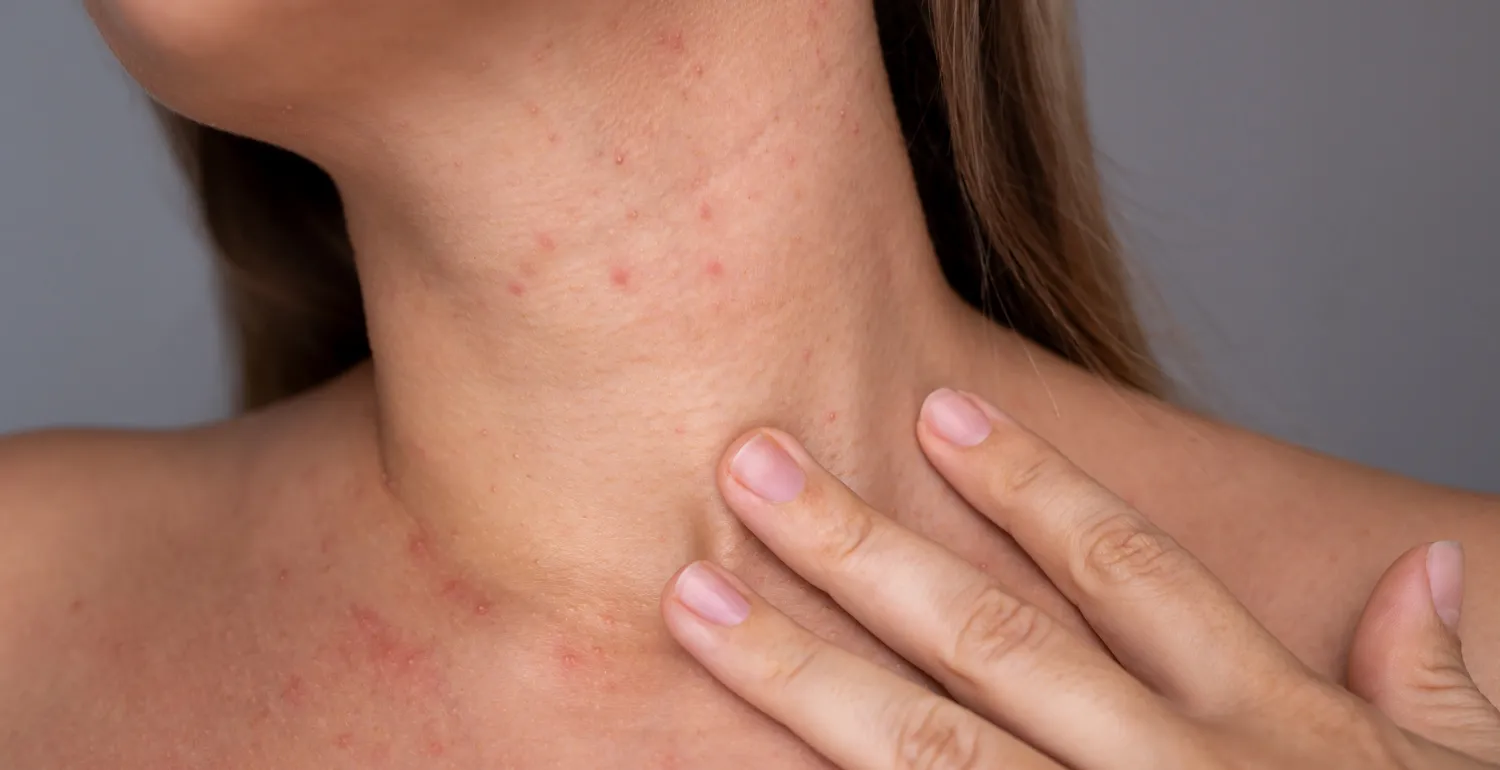
Many skin conditions can be managed with over-the-counter products or simple lifestyle changes. However, not every skin concern responds to self-care. When symptoms persist, worsen or show unusual changes, they may require assessment by a qualified dermatologist.
Knowing when to seek professional care can help prevent complications, minimise scarring and ensure you receive the right diagnosis and treatment. If you're unsure whether it is time to visit a dermatologist in Singapore, here are some warning signs that shouldn't be ignored.
Persistent Symptoms Despite Home Treatment
It is common to try creams, ointments or medicated cleansers before seeking medical attention. Most mild skin conditions should begin to improve within two to four weeks when treated correctly. However, if your symptoms continue despite following treatment instructions, it may indicate an underlying condition that requires specialist care.
Common examples of persistent skin conditions include:
- Eczema that continues to flare despite regular moisturising and topical creams
- Acne that remains inflamed or continues to worsen
- Fungal infections that return after treatment
- Persistent rashes with no obvious cause
A skin specialist can identify whether your symptoms are caused by allergies, infections, autoimmune conditions or other skin disorders that require prescription medication or targeted treatment.
Pain, Infection or Rapidly Worsening Symptoms
Some skin problems require prompt medical attention because they can progress quickly or lead to complications if left untreated.
You should seek prompt medical assessment with a dermatologist if you experience:
- Painful cystic acne
- Boils or abscesses
- Swollen, warm or tender skin
- Pus or foul-smelling discharge
- Rapidly spreading redness or rashes
- Fever together with a skin infection
These symptoms may indicate bacterial, fungal or viral infections that need prescription medication. In some cases, untreated infections can spread deeper into the skin or surrounding tissues.
Similarly, acne that becomes increasingly painful or leaves permanent scars should be assessed early. A dermatologist can recommend medical treatments that help control inflammation while reducing the risk of long-term scarring.
Changes in Moles or Pigmented Spots
Most moles are harmless, but changes in their appearance should never be ignored. Although skin cancer is less common in Singapore than in countries with higher ultraviolet exposure, early detection remains essential.
Watch for the ABCDE warning signs of melanoma (skin cancer):
Asymmetry:
One half does not match the other.Border:
The edges become uneven, blurred or irregular.Colour:
Multiple colours or uneven pigmentation develop.Diameter:
Larger than 6 mm (about the size of a pencil eraser).Evolving:
The mole changes in size, shape, colour or symptoms over time.
It is also important to have any new mole that appears during adulthood assessed, especially if it looks different from your other moles.
Bleeding, Oozing, or Non-Healing Skin Lesions
Not all worrying skin spots are moles. Any sore, ulcer or growth that repeatedly bleeds, oozes or refuses to heal should also be evaluated by a specialist.
Examples of concerning skin lesions include:
- A sore that remains open for several weeks
- A skin growth that frequently bleeds after minor contact
- Crusted or oozing patches that do not improve
- Thickened or ulcerated skin lesions
These symptoms may result from chronic inflammation, persistent infections or, in some cases, skin cancer.
Rather than repeatedly treating the area with antiseptics or over-the-counter creams, consult a dermatologist in Singapore for a proper diagnosis. Early assessment often leads to more effective treatment and better outcomes.
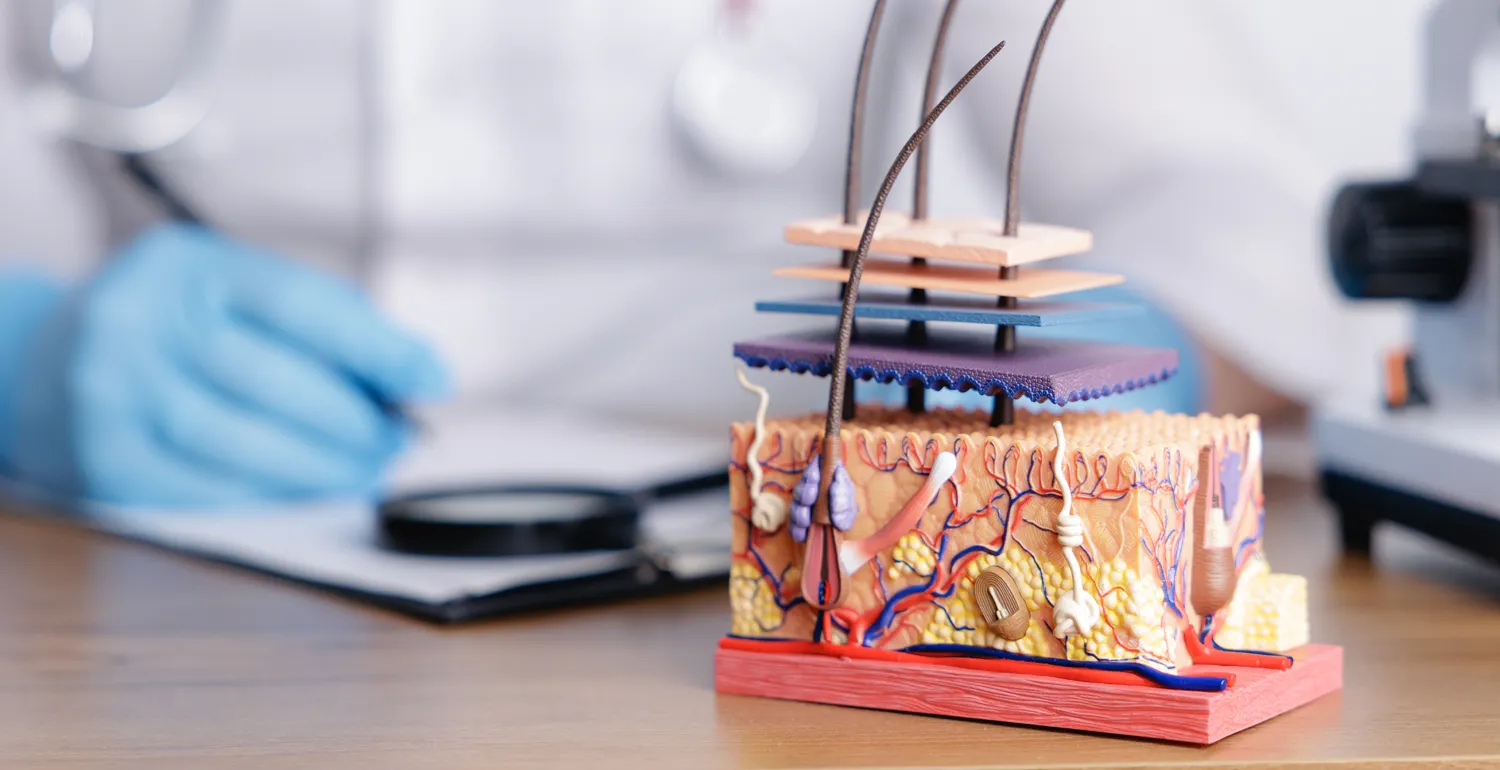
Take the Next Step Towards Healthier Skin with Dr Koh Hong Yi
Seeking specialist care early offers several important benefits. An accurate diagnosis allows treatment to begin sooner, reducing unnecessary trial and error with ineffective products while helping to prevent skin conditions from becoming more severe. Early intervention can also reduce the risk of permanent scarring, lower the likelihood of complications and improve overall symptom control and quality of life.
While some skin problems resolve with time, others require specialist evaluation to prevent long-term issues. Persistent symptoms, painful infections, changing moles and non-healing skin lesions are all signs that it may be time to consult a dermatologist rather than continue self-treatment. Many skin conditions share similar symptoms, making self-diagnosis difficult, which is why consulting an experienced dermatologist improves the likelihood of an accurate diagnosis and appropriate management with evidence-based treatment.
At TSN Dermatology Skin Specialist Clinic, we provide comprehensive assessment and treatment for a wide range of skin conditions, from persistent eczema and acne to skin infections, changing moles and non-healing skin lesions. Our skin specialist, Dr Koh Hong Yi takes the time to understand each patient's concerns before developing a personalised, evidence-based treatment plan.
If you are experiencing persistent or worsening skin symptoms, don't wait until the condition becomes more difficult to treat. Schedule a consultation with us today for a professional assessment and appropriate treatment.
FAQs About Skin Conditions and Dermatologist Care
You should consider seeing a dermatologist in Singapore if your skin condition persists for more than two to four weeks despite home treatment, becomes painful, spreads rapidly, shows signs of infection or involves changes in moles or pigmented spots. A professional assessment can help identify the underlying cause and ensure appropriate treatment.
No. Many skin conditions are influenced by genetics, hormones, allergies, immune system disorders or infections rather than poor skincare habits. Even people with a consistent skincare routine can develop skin diseases that require medical treatment.
Yes. Stress can trigger or worsen conditions such as eczema, psoriasis, acne and chronic hives. While managing stress may help reduce flare-ups, persistent symptoms should still be evaluated by a dermatologist to determine the underlying cause and appropriate treatment.
Any mole that changes in size, shape, colour or border should be examined by a dermatologist. New moles that appear during adulthood or pigmented spots that bleed or itch should also be assessed to rule out skin cancer or other skin conditions.
Yes. If your acne remains inflamed, painful or is causing scars despite using over-the-counter products, a dermatologist can recommend prescription medications or advanced treatments tailored to your skin type and the severity of your acne.
Meet Our Doctor
MBBS, MRCP (UK), M.Med (Internal Medicine), FAMS (Dermatology)

Dr Koh Hong Yi has over 20 years of clinical experience spanning Singapore and the United Kingdom. He previously served at Singapore General Hospital and was involved in medical teaching at Duke-NUS Medical School. He believes in a personalised and thoughtful approach to care, taking the time to understand each patient’s concerns and recommend treatment tailored to their needs.
More About Dr Koh