
 +65 64766821
Get In Touch
+65 64766821Book An Appointment
Wrinkle Treatment in Singapore

Dr Koh Hong Yi
Senior Consultant Dermatologist

Dr Tham Siew Nee
Senior Consultant Dermatologist
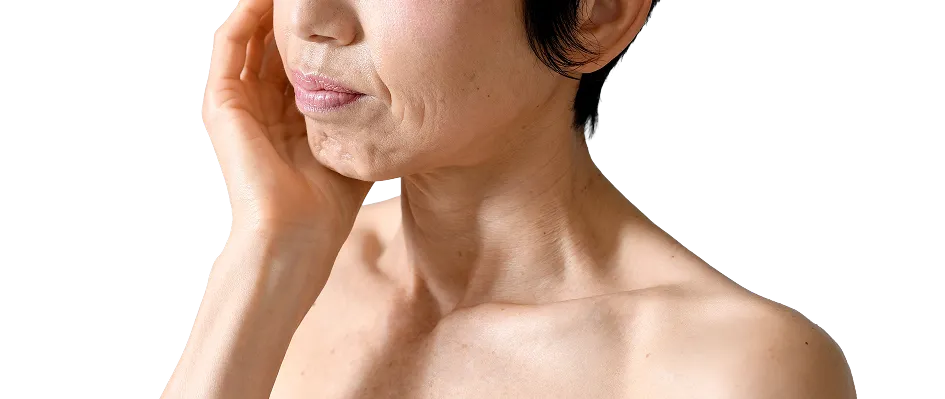
Wrinkle treatment is a specialised medical process focused on correcting the loss of structural integrity, collagen, and elastin that occurs in the skin over time. Because wrinkles manifest as fine lines, deep folds, or skin laxity, they often significantly affect an individual's sense of vitality and confidence. While skin ageing is a natural biological progression, the resulting visible lines reflect structural changes in the skin that may benefit from targeted dermatological treatment.
Wrinkles can be effectively managed and often significantly improved through a modern dermatological approach. Success in treatment relies on three core pillars: an accurate clinical diagnosis of your specific ageing pattern, a personalised combination of advanced medical technologies—such as fractional laser resurfacing, energy-based skin tightening, and dermal volumisation—and consistent, long-term dermatological care to safely remodel the skin's collagen framework.



What Are Wrinkles?
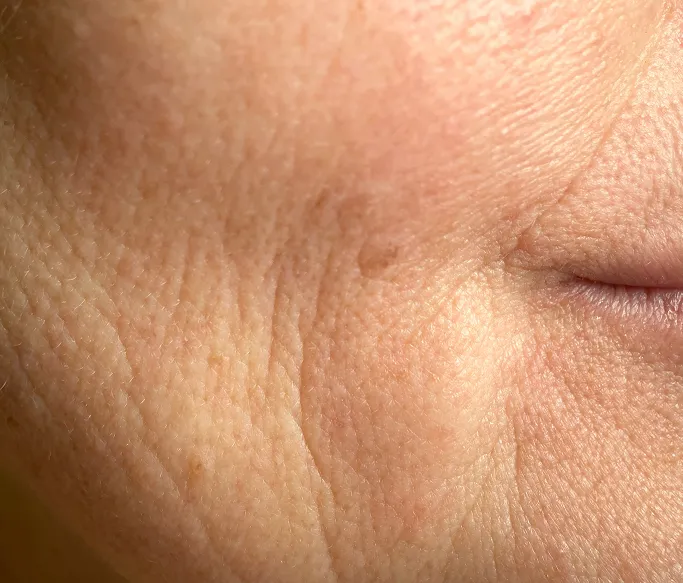
Wrinkles are the result of cumulative structural changes in the dermis and epidermis, exacerbated by gravity, repetitive muscle movement, and environmental stressors like UV exposure. As we age, the fibroblasts in our skin produce less collagen and elastin, the two proteins responsible for keeping skin firm and resilient. When the skin loses this underlying support, it begins to fold and crease rather than snapping back into place.
Wrinkle formation is not simply dry skin. It is a complex medical condition involving the degradation of the extracellular matrix and, in many cases, hyperactive facial muscles that create permanent creases. Because these structural changes occur deep beneath the surface, specialised dermatological care—using medical-grade lasers, neuromodulators, and procedural interventions—often require specialised dermatological care for significant improvement.
What Are Common Types of Wrinkles?
There are several distinct types of wrinkles, and an accurate diagnosis is essential because each variety develops from a different cause—whether it be muscle movement, gravity, or loss of volume. Most patients present with a combination of these types, which is why a multi-layered treatment strategy is often necessary.
Dynamic Wrinkles (Expression Lines)
These are caused by the repeated contraction of underlying facial muscles over time. They are often referred to as active lines because they appear or deepen during facial expressions.
-
Crow's Feet
Fine lines radiating from the outer corners of the eyes, typically caused by smiling or squinting. -
Forehead Furrows
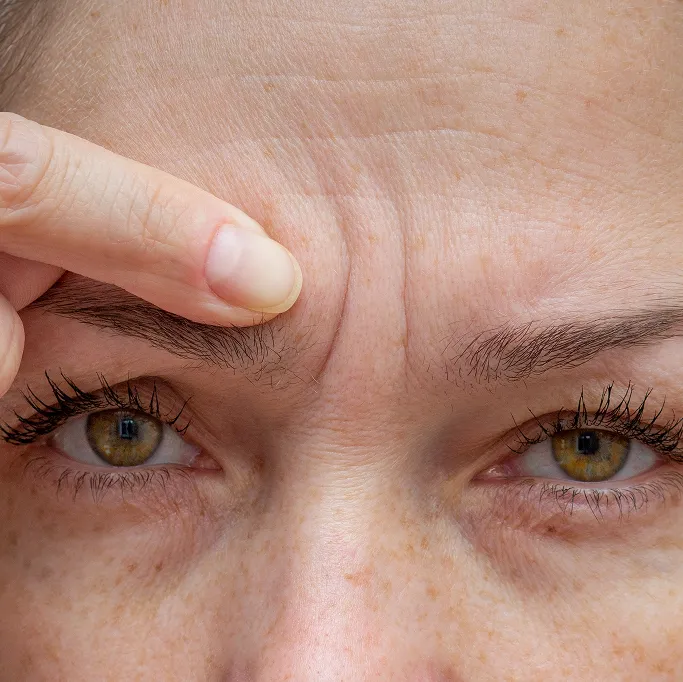
Horizontal lines that stretch across the forehead, resulting from repetitive muscle movement when lifting the eyebrows. -
Glabellar Lines
Known as the 11s, these are the vertical lines between the eyebrows caused by frowning or intense concentration.
Static Wrinkles (Gravity and Ageing)
These remain visible even when your face is at rest. They occur due to the gradual loss of collagen, elastin, and subcutaneous fat, often compounded by the downward pull of gravity.
-
Nasolabial Folds
The lines running from the sides of the nose down to the corners of the mouth, which often deepen as the cheeks lose volume and descend. -
Marionette Lines
Vertical lines that extend from the corners of the mouth toward the jawline, creating a down-turned appearance. -
Neck Bands
Horizontal folds or rings around the neck, often associated with thinning skin and a loss of structural support in the neck area.
Crinkle Wrinkles
These are fine, superficial lines that often cover a larger surface area rather than forming a single deep crease.
- They are commonly found on the cheeks, chest, and the backs of the hands.
- These wrinkles give the skin a crinkled or thin appearance, similar to tissue paper. They are primarily driven by chronic UV exposure and severe dehydration of the skin's top layers.
What Causes or Triggers Wrinkles?
While wrinkles are a natural part of the ageing process, their development is influenced by a combination of genetics, environmental factors, and lifestyle choices. Understanding these triggers is essential for both early prevention and the effective management of skin ageing.

Cumulative UV Exposure (Photoageing)
Repetitive Facial Expressions
Lifestyle and Environmental Stressors
-
Smoking
Tobacco smoke releases enzymes that break down collagen and elastin, while also restricting blood flow to the skin, which starves it of vital nutrients. -
Poor Hydration and Nutrition
Dehydrated skin loses its plumpness, making fine lines more apparent. A diet high in processed sugars (which can lead to glycation, a process that stiffens collagen) can also accelerate the appearance of ageing. -
Environmental Pollutants
Exposure to urban pollution can cause oxidative stress, which further damages the skin's barrier and speeds up the breakdown of cellular integrity.
Loss of Subcutaneous Fat and Volume
Natural Decline in Collagen and Elastin
Genetic Predisposition
How Are Wrinkles Diagnosed?
Accurate diagnosis is essential because the management of wrinkles depends entirely on their origin—whether they are dynamic (muscle-driven), static (volume/gravity-driven), or superficial (texture/sun-damage driven). The following methods may be used to assess your skin and develop a tailored rejuvenation plan.

Clinical Examination and Visual Analysis
The diagnosis begins with a thorough visual assessment of your skin's architecture under different conditions.
-
Dynamic vs. Static Assessment
Your skin may be observed both at rest and during facial expressions, such as smiling or frowning, to distinguish between lines caused by active muscle movement and those that have developed into static creases. -
Tangential Lighting
Your skin may be observed both at rest and during facial expressions, such as smiling or frowning, to distinguish between lines caused by active muscle movement and those that have developed into static creases. -
Dermoscopy
In some cases, a dermatoscope may be used to examine the skin surface for signs of solar elastosis (sun damage) or to differentiate fine lines from deeper structural rhytides.
Medical History Review
A detailed history can help provide context on how your skin has changed over time and the factors that may have influenced the ageing process. They will ask about:
-
Lifestyle Factors
Sun exposure history, smoking habits, and previous skincare regimens. -
Past Procedures
Any history of previous cosmetic treatments, such as fillers, lasers, or neurotoxin injections. -
Medical Context
Any health conditions or medications that may affect skin healing or collagen health.
Diagnostic Differentiation
Classification by Wrinkle Morphology
The dermatologist will map the facial areas to classify your ageing patterns:
-
Dynamic Rhytides
Lines present only during movement, typically treated with neuromodulators. -
Static Rhytides
Permanent lines present at rest, often requiring fillers or volume replacement. -
Surface Rhytides
Fine crinkles and texture changes, usually addressed with peels, lasers, or medical-grade hydration. This ageing map is essential for a multi-layered treatment plan, as most patients require a combination of approaches to achieve natural, refreshed results.
Skin Elasticity and Turgor Test
To determine how much collagen and elastin remain in your skin, the dermatologist may perform a pinch test or assessment of skin turgor.
-
High Elasticity
The skin snaps back immediately, indicating a stronger structural foundation. -
Low Elasticity/Crepiness
The skin recovers slowly, which signals that treatments focused on deep collagen stimulation (like CO2 laser or skin tightening) may be more beneficial than surface-level treatments.
How Are Wrinkles Treated at TSN Dermatology?
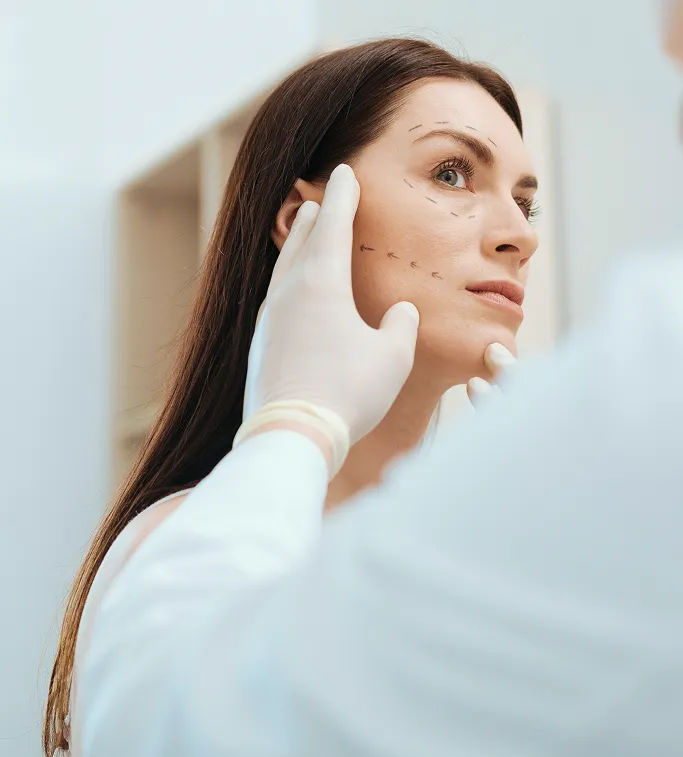
Effective wrinkle management requires a personalised, multi-modal approach. Because rhytides develop from a combination of muscle activity, loss of volume, and thinning skin, we rarely rely on a single treatment. Instead, we customise a plan that addresses your specific skin architecture and aesthetic goals.
Individualised Treatment Approach
Your treatment plan may be tailored based on:

The Dynamic vs. Static Balance
Whether your lines are caused by active muscle movement (requiring relaxation) or volume loss (requiring replenishment).
Skin Quality & Texture
Assessing if your skin requires superficial resurfacing or deep structural remodelling.
Sun Damage & Ageing Stage
Tailoring the intensity of lasers or peels to your specific degree of photoaging.
Recovery Preferences
Balancing the downtime of more intensive resurfacing procedures with your lifestyle.
Advanced Laser Modalities
We utilise state-of-the-art energy-based devices to trigger your body's natural regenerative response.
Fractional Carbon Dioxide (CO2) Laser: Using the DEKA SmartXide CO2 laser, we create controlled, microscopic thermal zones in the skin. This triggers a robust wound-healing response that stimulates new collagen formation and elastin. This is the gold standard for smoothing deep static wrinkles, tightening lax skin, and refining overall texture.
Skin Tightening Technologies: We employ energy-based systems to heat the deeper layers of the dermis. By stimulating these deep fibres, we can achieve a visible lift and firming effect, particularly effective for neck bands and sagging jawlines.
Neuromodulators and Volumisers: Procedural Interventions
For wrinkles caused by movement or volume depletion, we offer precise procedural interventions:
Neurotoxin (Botulinum Toxin) Injections: Botulinum toxin A is one of the most popular treatments worldwide for wrinkles. It uses a purified protein derived from Clostridium botulinum that blocks signals between the nerves and muscles, resulting in muscle relaxation and the softening of wrinkles. In Singapore, we use approved types such as Botox, Dysport, and Xeomin.
- How it's performed: The procedure takes 10-15 minutes. Numbing cream is often applied to ensure comfort. Using a fine needle, small, precise quantities are injected into the target muscles (typically forehead creases, frown lines, and crow's feet).
- The Results: Typically, effects appear within 3 to 6 days and last for 3 to 4 months. With consistent, regular injections, wrinkles often appear less severe over time, as the muscles remain well-rested and the overlying skin is no longer constantly creased.
Dermal Fillers (Volumisers): To address static wrinkles and hollows, we use medical-grade fillers to restore lost volume. This physically plumps deep folds like the nasolabial lines and marionette lines, providing an immediate, natural-looking refresh.
Resurfacing and Skin Quality
To target superficial crepe wrinkles and dullness, we refine the skin's surface:
Chemical Peels: We use pharmaceutical-grade peels to gently exfoliate the damaged top layers of skin. This process accelerates cell turnover, improves skin tone, and smooths out fine superficial lines, revealing a fresher complexion.
Medical-Grade Skincare: A successful treatment plan often includes a regimen of retinoids, antioxidants, and hyaluronic acid to support the results of your clinical procedures and protect your skin barrier daily.
Patient Preparation & Aftercare for Wrinkle Treatment
To ensure you receive the maximum therapeutic benefit from your anti-ageing and rejuvenation sessions, we have established clear guidelines for both before and after your procedure. Proper management helps optimise your skin's healing, enhances the efficacy of neurotoxins and fillers, and prolongs the results of laser or resurfacing treatments.
Pre-Treatment Preparation: Getting Your Skin Ready
Your skin's condition on the day of treatment influences how it responds to both procedural and chemical interventions.
-
Clean and Clear Skin
Please ensure the areas being treated are clean and free of any creams, lotions, perfumes, or cosmetics. This is essential for safety, especially when using lasers or injectable techniques. -
Medication Awareness
To minimise the risk of bruising—especially with neurotoxin (Botox/Dysport/Xeomin) or filler injections—avoid blood-thinning medications, supplements, or herbal remedies (e.g., aspirin, fish oil, Vitamin E) for 3-5 days prior to your session, unless medically necessary. Please provide our team with an updated list of all medications you are currently taking. -
Pause Active Skincare
For resurfacing treatments like chemical peels or CO2 laser, pause the use of retinoids, prescription acne topicals, or exfoliating acids for 3-5 days prior to your session to prevent excessive irritation. -
What to Wear
Wear comfortable, loose-fitting clothing that allows easy access to the treatment areas (e.g., face, neck, or décolletage).
Post-Treatment Aftercare: Supporting the Rejuvenation Process
Once your session is complete, your skin begins the process of remodelling. Proper care is vital to maintaining a smooth, youthful result.
-
For Neurotoxin/Filler Patients
- Keep Upright: Avoid lying down for 4 hours post-injection to ensure the product remains precisely where it was placed.
- Avoid Pressure: Do not massage, rub, or apply heavy pressure to the injected areas for 24 hours.
- Skip Strenuous Exercise: Avoid high-intensity exercise or saunas for the remainder of the day to minimise blood flow-related side effects.
-
For Laser & Resurfacing Patients
- Gentle Cooling: After procedures like CO2 laser, use the medical-grade regenerative creams we provide to keep the area cool and hydrated.
- Managing Crusts: If small crusts form, do not pick or scrub them off. Let them shed naturally over 1-2 weeks to prevent scarring or unwanted pigmentation changes.
- Strict Sun Protection: Your skin is highly vulnerable to UV rays following resurfacing. When heading out into Singapore's tropical sun, use a broad-spectrum, non-comedogenic sunscreen (SPF 50+) daily and wear a hat or seek shade.UV exposure is a major factor that can compromise treatment outcomes.
-
Gentle Routine
For the first week, stick to a basic regimen: a gentle cleanser, a simple moisturiser, and your prescribed healing cream. Avoid scrubs, toners, and anti-ageing activities until your skin has fully recovered. -
Consistency is Key
Whether you are doing regular neurotoxin maintenance or a series of laser resurfacing, the results are cumulative. Skipping your scheduled follow-ups can cause your skin to revert to its previous state. If you have a scheduling conflict, let our clinic coordinator know as soon as possible.
Tips on Daily Care and Wrinkle Prevention
Maintaining smooth, resilient skin requires a consistent routine that protects your structural collagen and minimises the external factors that accelerate the formation of rhytides. Good skincare habits help preserve your skin barrier, protect against future damage, and extend the results of your clinical treatments.
Daily Sun Protection
Strategic Skincare Application
-
Apply Actives Correctly
If you are using prescription retinoids or high-potency antioxidants (like Vitamin C), apply them to clean, dry skin to ensure maximum absorption. These products work at the cellular level to boost collagen production over time. -
Hands-Off Policy
Avoid excessive tugging, pulling, or aggressive rubbing when applying creams, especially around the delicate eye area. Treat your skin as a fragile organ—be gentle to avoid adding unnecessary mechanical stress to the tissue.
Gentle Cleansing and Hydration
Lifestyle and Environmental Factors
-
Hydration and Nutrition
Proper internal hydration and an antioxidant-rich diet help your skin repair itself. Conversely, high sugar intake can lead to glycation, a process that stiffens collagen fibres and contributes to permanent wrinkling. -
Sleep Position
While it may seem small, repeatedly pressing your face into a pillow in the same position for 8 hours every night can contribute to sleep lines. Sleeping on your back or using a silk pillowcase can help minimise friction and morning creases.
When Should You See a Dermatologist for Wrinkles?
You should consider seeking professional dermatological care if you notice that your fine lines are beginning to deepen, if your skin is losing its natural firmness and elasticity, or if your reflection no longer aligns with how you feel inside.
While ageing is a universal experience, specialist care is particularly important when you want to shift from maintenance to rejuvenation. Seeking a consultation is recommended in the following scenarios:
When Fine Lines Become Static
If you notice that lines on your forehead, around your eyes, or near your mouth remain visible even when your face is completely relaxed, it is time to intervene. Once dynamic lines become etched into static wrinkles, they require more intensive resurfacing treatments rather than just simple prevention.
When Over-the-Counter Products Fail
If you have invested in high-quality skincare and are not seeing a noticeable improvement in skin texture, elasticity, or volume, it is likely that your skin requires medical-grade interventions, such as fractionated lasers or professional-strength chemical peels, to achieve real change.
When You Notice Visible Laxity
If you see sagging along your jawline, neck, or under your eyes, these structural shifts require professional assessment. Lasers and energy-based skin tightening can often address this loss of structural support far more effectively than surface-level creams.
If You Have Significant Sun Damage
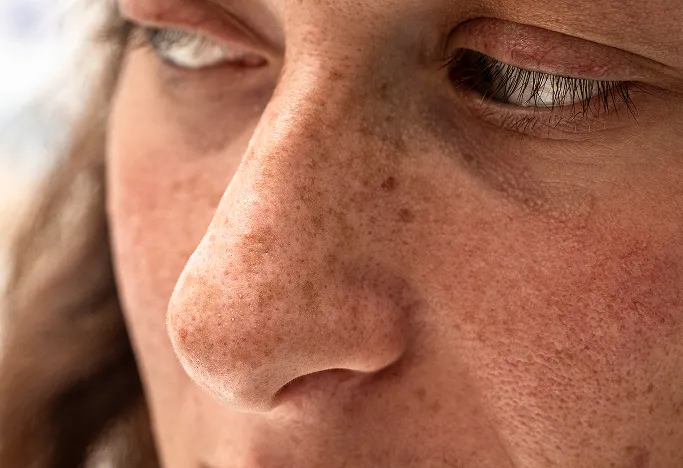
If you have a history of prolonged, unprotected sun exposure in Singapore's tropical climate, you may be experiencing photoaging that requires medical treatment to address the underlying degradation of your collagen fibres.
When You Desire a Realistic Roadmap
Ageing is a gradual process that requires a consistent, long-term strategy. A personalised treatment plan may combine options such as neurotoxins, laser treatments, and volumising procedures based on your skin concerns, treatment goals, and how your skin changes over time.
FAQs About Wrinkle Treatment
While significant improvement is possible—often smoothing fine lines and softening deep folds—the ageing process is continuous. We cannot stop time, but we can effectively reset the skin's appearance, maintain its structural integrity, and delay the progression of new wrinkles through a consistent, long-term maintenance plan.
Most procedures, such as neurotoxin injections or laser resurfacing, are performed with topical numbing creams or require minimal downtime. You may feel slight pressure during injections or a warm, tingling sensation during laser sessions, but our goal is to keep your experience comfortable and manageable.
Results vary by treatment:
- Neurotoxins: You will typically see softening of lines within 3 to 6 days.
- Fillers: The effect is often visible immediately.
- Lasers and Resurfacing: Results are cumulative as your skin remodels its collagen. While you may see initial improvements in tone within a few weeks, full results for texture and tightening typically become apparent 3 to 6 months after your final session.
It is never too late to see a dermatologist. Whether you are in your 30s, focusing on prevention or your 60s and 70s, looking to address deep static folds and laxity, there is always a treatment plan that can improve your skin's health and appearance. The goal is to provide age-appropriate, realistic care for where your skin is today.
Seek Proper Dermatology Care for Wrinkle Treatment
If you are concerned about fine lines or wrinkles, a consultation with our specialists at TSN Dermatology Skin Specialist Clinic can help assess your skin and develop an effective, personalised treatment plan focused on long-term skin health and rejuvenation. For more information or appointments, please contact us today.
Meet TheDoctors Behind Your Care

Dr Koh Hong Yi
Senior Consultant Dermatologist
Bachelor of Medicine, Bachelor of Surgery (MBBS)
Member of the Royal College of Physicians (United Kingdom)
Master of Medicine (Internal Medicine)
Fellow of the Academy of Medicine, Singapore (Dermatology)
Dr Koh Hong Yi is a Ministry of Health-accredited dermatologist with over 20 years of experience in medical, surgical and aesthetic dermatology.
He trained in Singapore and the UK, and is particularly interested in wrinkle treatment, Mohs micrographic surgery, dermatologic surgery, skin cancer care, and inflammatory skin diseases.
Prior to private practice, he founded the Mohs Surgery Service at Singapore General Hospital and served as consultant dermatologist and Adjunct Assistant Professor with Duke-NUS Medical School, contributing to clinical research and education.
About Dr Koh
