
 +65 64766821
Get In Touch
+65 64766821Book An Appointment
Tattoo Removal in Singapore

Dr Koh Hong Yi
Senior Consultant Dermatologist

Dr Tham Siew Nee
Senior Consultant Dermatologist
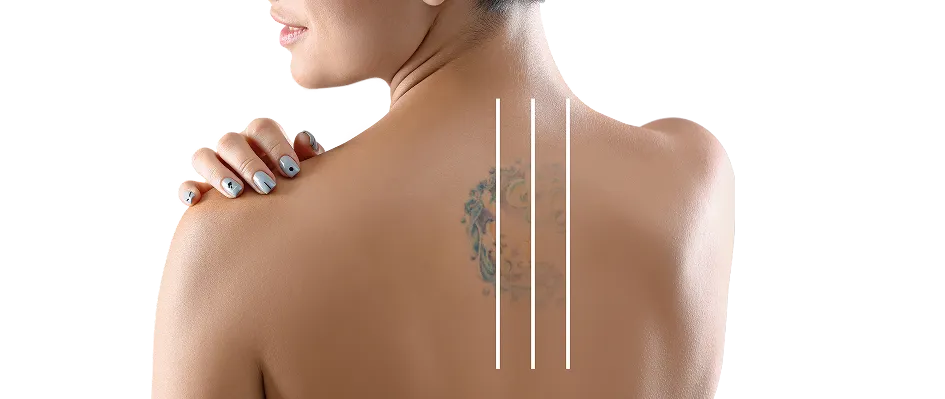
Tattoo removal is a common dermatological concern for individuals seeking to alter or remove body art. It is characterised by the presence of exogenous ink particles deposited into the dermal layer of the skin, which can be caused by professional tattooing, amateur tattooing, or traumatic injuries resulting in embedded foreign matter. While tattoos are often a form of personal expression, lifestyle changes or aesthetic preferences can lead individuals to seek removal, which may improve confidence for some individuals.
Although tattoo removal can be a lengthy process, many tattoos can be lightened or treated effectively with proper assessment, personalised laser treatment plans, and long-term dermatological care under the guidance of a specialist.



What Is Tattoo Removal?
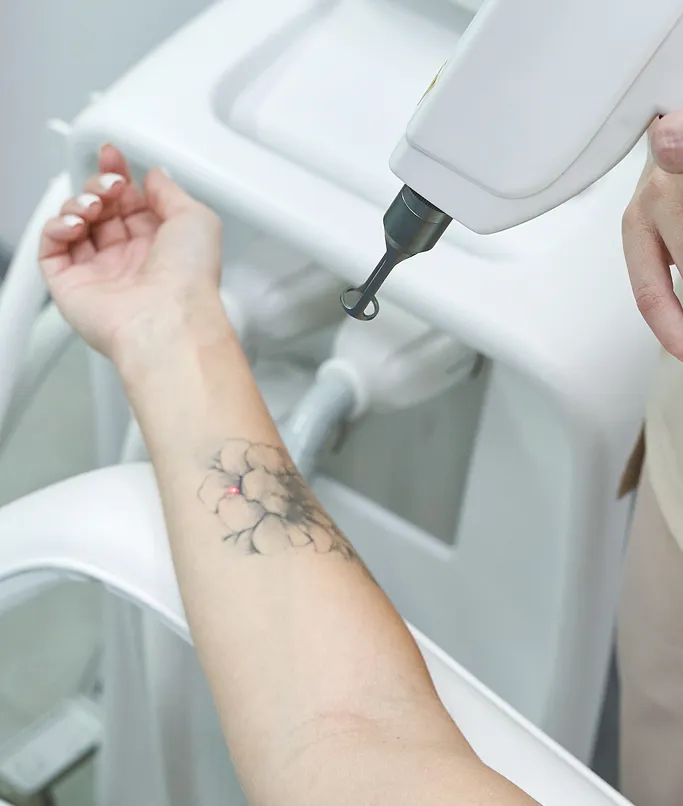
Tattoo removal is primarily achieved through the use of medical-grade lasers that target the ink particles embedded in the dermis. Ink particles are too large for the body to naturally eliminate, so they remain trapped in the skin.
Laser technology works by delivering intense pulses of light that shatter these large ink aggregates into microscopic, dust-like fragments. Once fragmented, these particles are small enough for the body's immune system—specifically scavenger cells called macrophages—to identify, engulf, and gradually carry away through the lymphatic system.
Some of the common factors influencing the removal process include the age of the tattoo, the density of the ink, the colours used, and the depth at which the ink was deposited. It is important to recognise that not all tattoos are the same; different inks, professional versus amateur application, and skin types require different laser wavelengths and treatment protocols. Tattoo removal is a complex medical procedure involving skin biology and immune system response, which is why professional dermatological assessment is important for safe treatment planning and realistic expectations.
How Do Tattoo Removal Treatments Work?
Tattoo removal is a structural process that operates entirely within the dermis. Tattoo ink is composed of pigment particles that are too large for the body to naturally digest and eliminate. When these particles are injected into the dermis, they remain embedded within the dermis and can persist long-term, which is why tattoos remain visible.
Our medical-grade laser treatment utilises the principle of selective photothermolysis to resolve this, operating through a three-fold process:

Photo-Acoustic Shattering
Immune System Activation
Lymphatic Clearance
By precisely matching the laser's wavelength to the specific colour of your tattoo ink, we aim to target the tattoo pigment while minimising injury to the surrounding skin.
How is Tattoo Removal Performed at TSN Dermatology?
At TSN Dermatology, we understand that tattoo removal often represents a significant personal milestone—a break from the past or a fresh beginning. Because this process involves precise, medical-grade laser intervention, we perform the procedure in a highly controlled clinical environment to support safety and effective pigment reduction.
The Procedural Steps
-
Clinical Preparation
We first cleanse the skin thoroughly to remove surface impurities. To maximise your comfort, a professional-grade numbing cream is applied to the area prior to the procedure. -
Precision Laser Application
We utilise the German-made BiAxis Q-switched Nd:YAG laser. This system is specifically engineered to target the unique absorption spectrum of tattoo inks; it is commonly used for blue, black, and red pigments. -
Energy Delivery
During the session, the laser emits short, high-energy pulses. You may feel a slight stinging sensation as the light energy is absorbed by the deep-seated ink particles. -
Real-Time Monitoring
Our dermatologists monitor your skin's reaction throughout the procedure to ensure the energy settings are appropriate for your specific ink density and skin tone.
The Healing and Clearance Process
Tattoo removal is not instantaneous; it relies on your body's natural immune response to transport the shattered ink particles away from the skin.
-
Immediate Aftermath (1-2 Days)
Following the session, it is normal to experience mild redness and swelling in the treated area. -
Surface Healing (1-2 Weeks)
You may observe temporary blistering or crusting as the skin repairs itself. It is crucial not to pick or scrub these areas, as this can increase the risk of scarring. -
Pigment Fading (Over Months)
You will not see the final result immediately. The body requires time to flush out the fragmented ink via the lymphatic system. Visible fading of the tattoo will occur gradually over the months following your treatment.
Treatment Roadmap
-
Frequency
Because the skin needs time to heal and the lymphatic system needs time to clear the ink, we perform sessions at 2 to 3-month intervals. -
Consistency
Achieving significant lightening or complete removal requires a series of multiple laser sessions. We will work with you to develop a personalised treatment schedule based on the depth, colour, and age of your tattoo to support the best possible outcome based on your tattoo characteristics and skin response.
When Should You See a Dermatologist for Tattoo Removal?
While the decision to remove a tattoo is often a personal one, the procedure itself is a complex medical intervention. It is best to seek professional care from a board-certified dermatologist rather than a non-medical setting to ensure your skin's long-term health and safety.
Professional dermatological assessment is vital in the following scenarios:
When You Have a History of Scarring
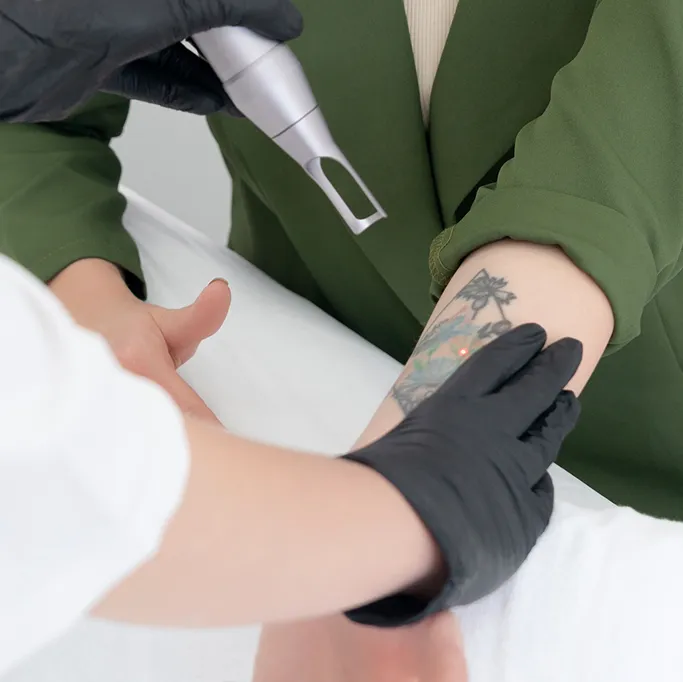
If you or your immediate family have a history of keloids or hypertrophic scarring (raised, thick scars), you are at a higher risk of developing them following laser treatment. A dermatologist can assess this risk and adjust treatment planning to help reduce it.
When You Suspect an Ink Allergy
If you have experienced chronic itching, redness, swelling, or lumpy texture in your tattoo that never truly resolved after the initial healing period, you may have a delayed allergic reaction to the ink. A dermatologist can distinguish between a simple skin reaction and a true systemic allergy, which may require medical management before laser treatment is considered.
When Atypical Lesions are Present
It is common for skin conditions, including pigmented moles or even skin cancers, to be obscured by tattoo ink. A dermatologist is trained to evaluate the skin through the ink using dermatoscopy to rule out any underlying concerns before using laser energy on the area.
When You Have Complex Skin Types
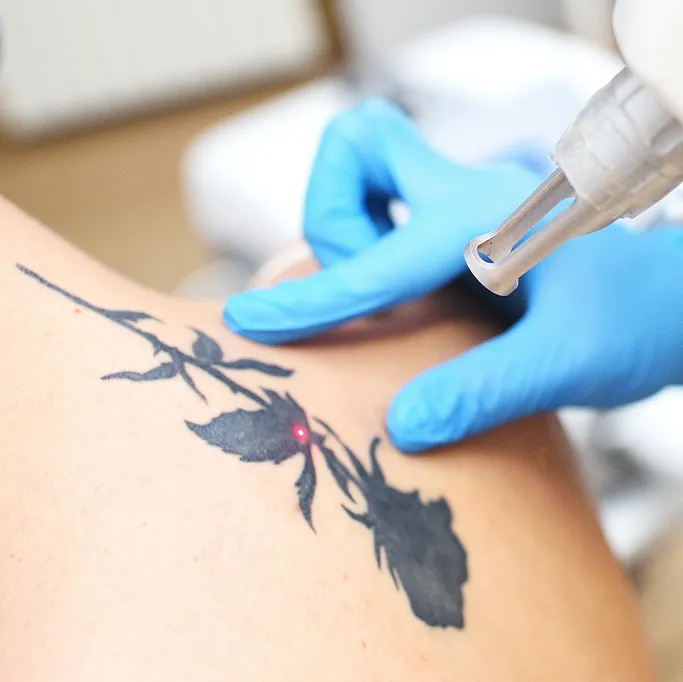
Darker skin tones (Fitzpatrick types IV-VI) require much more precise laser calibration. A dermatologist possesses the expertise to select the correct wavelength and pulse duration to clear the ink while protecting the surrounding skin pigment from hypopigmentation (light spots) or hyperpigmentation (dark spots).
When You Want to Avoid Trial-and-Error
Tattoo removal requires expensive, medical-grade technology. Some non-medical facilities may use devices that are less suitable for certain tattoo types or skin tones, which can cause significant damage or permanent skin texture changes. Professional oversight helps match the treatment approach to your tattoo characteristics.
When You Have Sensitive or Compromised Skin
If you have underlying conditions like eczema, psoriasis, or chronic skin inflammation in the area of the tattoo, a dermatologist can help manage these conditions to ensure the skin is in an optimal, stable state before starting the removal process.
Patient Preparation & Aftercare for Tattoo Removal
Achieving the best results with tattoo removal requires a commitment to a structured treatment roadmap. Because our lasers trigger an active immune response within your skin, following these preparation and aftercare protocols is essential to minimise the risk of scarring, infection, or pigmentary changes, and to ensure your body efficiently clears the fragmented ink.
Pre-Treatment Preparation: Getting Your Skin Ready
Your skin's condition on the day of treatment significantly influences how well it responds to the laser.
- Sun Protection & Tanning
Avoid direct sun exposure and tanning beds on the tattoo site for at least 2-4 weeks before your session. Laser energy is absorbed by melanin (skin pigment); if your skin is tanned, the laser may target your skin pigment rather than the tattoo ink, increasing the risk of burns or pigmentary changes. - Keep the Area Clean
Ensure the tattoo site is clean and free of lotions, perfumes, oils, or heavy moisturisers on the day of your appointment. These substances can interfere with the laser's delivery and may cause surface irritation.
- Pause Irritating Products
Avoid applying exfoliating acids, scrubs, or aggressive washcloths to the area for at least 5 days before your treatment. The skin needs to be calm and intact to handle the laser energy. - Medication Awareness
Please inform our team of all medications and supplements you are currently taking, especially blood thinners, as these can increase the likelihood of bruising or bleeding after the laser session.
Post-Treatment Aftercare: Supporting the Healing Process
Following your session, the treated area will require diligent care to support the clearing phase and prevent complications.
- The No-Pick Rule
It is normal to see temporary blistering, crusting, or frosting immediately after the session. Do not pick, pop, or scrub these areas. Picking can cause permanent scarring or introduce infection. Allow the skin to heal and the crusts to shed naturally over 1-2 weeks. - Gentle Hygiene
For the first week, clean the area gently with a mild, fragrance-free cleanser and pat it dry—never rub. Use only the medical-grade healing ointment or balm we have prescribed to keep the site hydrated and protected from friction. - Strict Sun Protection
Your skin is highly vulnerable to UV radiation while it is repairing from the laser. You should keep the treated area protected with clothing or broad-spectrum SPF 50+ sunscreen until the skin has healed. In Singapore's climate, excessive sun exposure is a major risk factor for pigmentary complications.
- Avoid Excessive Heat & Friction
For at least 48-72 hours, avoid environments that induce heavy sweating, such as saunas, steam rooms, hot yoga, or intense cardiovascular exercise. Excessive heat and friction can aggravate the inflammation caused by the laser and delay the healing of blisters. - Patience and Consistency
Remember that the fading happens over months, not days. Your immune system needs consistent, scheduled intervals (typically every 2 to 3 months) to process and flush out the ink fragments. If you have a scheduling conflict, please contact our clinic as soon as possible so we can maintain an appropriate treatment interval.
FAQs About Tattoo Removal
The sensation is often described as feeling similar to a rubber band being snapped against the skin. Because we apply a professional-grade numbing cream before the procedure, the discomfort is generally well-managed. We also utilise medical-grade cooling systems during the treatment to help soothe the skin and enhance your comfort.
When performed by a trained dermatologist using the appropriate laser technology and aftercare protocols, the risk of permanent scarring is low. The most common cause of scarring is over-treating the skin or failing to follow post-treatment instructions (such as picking at blisters). Our goal is to clear the ink while maintaining the natural texture and integrity of your skin.
Our BiAxis Q-switched Nd:YAG laser is commonly used for blue, black, and red inks. Some lighter, brighter, or more complex neon colours can be more challenging to target and may require more sessions. During your initial consultation, we will assess your specific ink colours and provide a realistic expectation of the results.
Yes. Many patients choose to fade an existing tattoo through a few laser sessions to make it easier for their tattoo artist to create a new, better design over the area. This is a common approach for patients planning a cover-up tattoo.
This varies widely depending on the age of the tattoo, the depth of the ink, the colour, and your individual immune response. While small or faded tattoos may require fewer sessions, dense professional tattoos can require 6 to 12 sessions (or more). We space these treatments every 2 to 3 months to allow your body the necessary time to clear the fragmented ink naturally.
No. More frequent sessions do not necessarily mean faster removal and can actually increase the risk of side effects, such as pigment changes or scarring. The limiting factor is your lymphatic system's ability to flush out the shattered ink. Maintaining the recommended 2 to 3-month interval is generally the safest and most appropriate way to balance fading with recovery.
Professional Dermatology Care for Tattoo Removal
If you are considering tattoo removal, a consultation with our specialists at TSN Dermatology Skin Specialist Clinic can help assess your skin and determine suitable treatment options based on your tattoo, skin type, and goals. We provide personalised treatment plans aimed at effective tattoo lightening while supporting long-term skin health. For more information or appointments, please contact us today.
Meet TheDoctors Behind Your Care

Dr Koh Hong Yi
Senior Consultant Dermatologist
Bachelor of Medicine, Bachelor of Surgery (MBBS)
Member of the Royal College of Physicians (United Kingdom)
Master of Medicine (Internal Medicine)
Fellow of the Academy of Medicine, Singapore (Dermatology)
Dr Koh Hong Yi is a Ministry of Health-accredited dermatologist with over 20 years of experience in medical, surgical and aesthetic dermatology.
He trained in Singapore and the UK, and is particularly interested in tattoo removal, Mohs micrographic surgery, dermatologic surgery, skin cancer care, and inflammatory skin diseases.
Prior to private practice, he founded the Mohs Surgery Service at Singapore General Hospital and served as consultant dermatologist and Adjunct Assistant Professor with Duke-NUS Medical School, contributing to clinical research and education.
About Dr Koh
