


Who Removes Skin Cancer? A Guide To Meeting The Right Surgeon
July 2025

Dr Koh Hong Yi
Senior Consultant Dermatologist
 MBBS (Singapore), MRCP (UK), MMed (Internal Medicine), FAMS (Dermatology)
Skin cancer is one of the most common cancers worldwide, and early treatment is essential for the best outcomes. When you or a loved one receives a skin cancer diagnosis, one of the first questions that comes to mind is: who should remove it?
In Singapore, skin cancer can be treated by different skin specialists, but the choice of doctor depends on the type of skin cancer, its size, and where it appears on the body. This guide will help you understand which experts are involved in skin cancer surgery in Singapore, what their roles are, and how to choose the right skin cancer surgeon for your needs.
Which Doctors Can Remove Skin Cancer?
Several types of doctors are trained to diagnose and treat skin cancer. The most common specialists include:
1. Dermatologists
A dermatologist is often the first point of contact for patients with suspicious moles, growths, or lesions. Dermatologists are trained to:
- Perform skin examinations and biopsies to confirm diagnosis.
- Treat early-stage skin cancers with minor surgical procedures.
- Manage superficial skin cancers using non-surgical methods such as cryotherapy, topical medications, or photodynamic therapy.
For small or less aggressive cancers, surgical removal may be performed as part of the treatment approach. Some dermatologic surgeons are also trained in Mohs micrographic surgery, which is a precise technique that removes skin tumour layer by layer while sparing healthy tissue. Compared to conventional wide local excision, Mohs surgery in Singapore has been shown to improve cancer removal rates, reduce risk of recurrence of skin cancer, and result in smaller wounds and smaller scars. Mohs surgery is especially suited for skin cancers that occur in cosmetically sensitive areas such as the face.
2. Plastic Surgeons
Plastic surgeons are skilled in reconstructive techniques that restore both function and appearance after tumor removal. For wounds that are very large, or in cosmetically sensitive areas such as the face, plastic surgeons are able to design flaps or skin grafts that help to minimise the appearance of subsequent scars.
3. General or Surgical Oncologists
For deeper or more aggressive cancers (such as melanoma that has spread beyond the skin), a general surgeon or surgical oncologist may be involved. They can perform wider excisions, lymph node biopsies, or more complex surgeries.
The Role of a Dermatologist in Skin Cancer Care
Medical assessment plays an important role in the detection and management of skin cancer. A thorough evaluation can help to:
- Spot suspicious changes early.
- Remove small cancers safely in a clinic setting.
- Provide ongoing skin checks to monitor for recurrence.
If the cancer requires more advanced surgery or reconstruction, the dermatologist will refer patients to the most appropriate skin cancer surgeon.
Types of Skin Cancer Surgery in Singapore
The treatment plan for skin cancer depends on the diagnosis and severity. Common surgical approaches include:
1. Wide Local Excision Surgery
- The most common treatment for most basal cell carcinomas, squamous cell carcinomas and early melanomas.
- The surgeon removes the cancer along with a margin of healthy tissue to ensure complete clearance.
2. Mohs Micrographic Surgery
- Performed mainly by dermatologists trained in this specialised technique.
- Involves removing the cancer layer by layer and examining each under a microscope until only cancer-free tissue remains.
- Ideal for skin cancers on the face and other delicate areas where preserving tissue is crucial.
3. Curettage and Electrosurgery
- The cancer is scraped off, and heat is applied to destroy any remaining abnormal cells.
- Typically used for superficial basal cell carcinomas.
4. Reconstructive Surgery
- If a large portion of skin needs to be removed, reconstructive procedures may be necessary.
- A skin cancer surgeon with reconstructive expertise ensures minimal scarring and good cosmetic outcomes.
How to Choose the Right Skin Cancer Surgeon in Singapore
Selecting the right doctor is critical for both medical safety and cosmetic results. Consider the following when making your decision:
Expertise and Training
Look for a specialist with relevant experience in skin cancer surgery.
Type of Skin Cancer
Different types of skin cancer may require different treatment approaches. Basal cell and squamous cell carcinoma can often be managed with local treatment or surgery, while advanced melanoma may require care involving oncology or reconstructive surgery.
Surgical Technique
Ask whether Mohs micrographic surgery, excision, or another method is most suitable for your case.
Cosmetic Concerns
For cancers on the face or visible areas, a specialist with reconstructive skills can help minimise scarring.
Follow-Up Care
Choose a doctor who provides ongoing skin monitoring and education on preventing recurrence.
What to Expect During and After Surgery
Most skin cancer surgeries in Singapore are outpatient procedures performed under local anesthesia. The process usually involves:
1. Pre-Surgery Consultation
The doctor explains the procedure and answers your questions.
2. Surgery
Depending on the method, the procedure may take 30 minutes to several hours (for Mohs surgery).
3. Recovery
Stitches are typically removed within 1-2 weeks. Scars improve over time, though cosmetic treatments may be recommended if needed.
4. Follow-Up
Regular skin checks are essential to detect new or recurring cancers early.
Why Early Treatment Matters
Skin cancer, when detected early, is highly treatable. Delaying treatment allows the cancer to grow deeper and spread, which may require more extensive surgery and leave larger scars. Early detection and timely referral for appropriate treatment can improve the chances of successful management while helping to minimise the impact on appearance.
Conclusion
So, who removes skin cancer? Managing skin cancer is never a one-size-fits-all approach. The answer depends on the type, size, and location of the cancer. A dermatologist often manages early detection and treatment, while a skin cancer surgeon in Singapore - whether a dermatologist with Mohs surgery expertise, a plastic surgeon, or an oncologist - handles more complex cases.
If you have a suspicious skin growth, don't wait. Seek medical advice early and consult the right specialist to ensure safe, effective, and cosmetically mindful treatment. For those seeking professional care, TSN Dermatology Skin Specialist Clinic offers comprehensive services, including skin cancer screening, skin cancer surgery, and Mohs micrographic surgery in Singapore. Reach out today to book your consultation with our experienced skin specialists.
References
- Hasan, N., Nadaf, A., Imran, M., Jiba, U., Sheikh, A., Almalki, W. H., Almujri, S. S., Mohammed, Y. H., Kesharwani, P., & Ahmad, F. J. (2023). Skin cancer: understanding the journey of transformation from conventional to advanced treatment approaches. Molecular cancer, 22(1), 168. https://doi.org/10.1186/s12943-023-01854-3
- Burditt, B. (2024, May 15). Importance of early detection: Recognizing signs and symptoms. American Society for Mohs Surgery. https://www.mohssurgery.org/blog/skin-care/the-importance-of-early-detection-recognizing-the-signs-and-symptoms-of-skin-cancer/
- Kamowitz, B. (2023, December 13). Building your skin cancer team. The Skin Cancer Foundation. https://www.skincancer.org/blog/building-your-skin-cancer-team/
- Shuber, E., Abdulhussein, D., Sinclair, P., & Kadhum, M. (2019). Who Should Carry Out Skin Cancer Excisions? A Systematic Review. Journal of cutaneous and aesthetic surgery, 12(3), 153–157. https://doi.org/10.4103/JCAS.JCAS_174_18
Meet Our Doctor
MBBS, MRCP (UK), M.Med (Internal Medicine), FAMS (Dermatology)
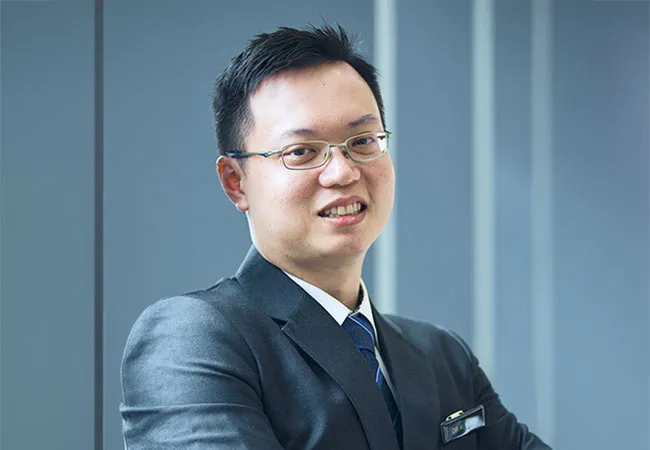
Dr Koh Hong Yi has over 20 years of clinical experience spanning Singapore and the United Kingdom. He previously served at Singapore General Hospital and was involved in medical teaching at Duke-NUS Medical School. He believes in a personalised and thoughtful approach to care, taking the time to understand each patient’s concerns and recommend treatment tailored to their needs.
More About Dr Koh