
 +65 64766821
Get In Touch
+65 64766821Book An Appointment

What Happens During Cyst Surgery and Recovery?
August 2026

Dr Koh Hong Yi
Senior Consultant Dermatologist
 MBBS (Singapore), MRCP (UK), MMed (Internal Medicine), FAMS (Dermatology)
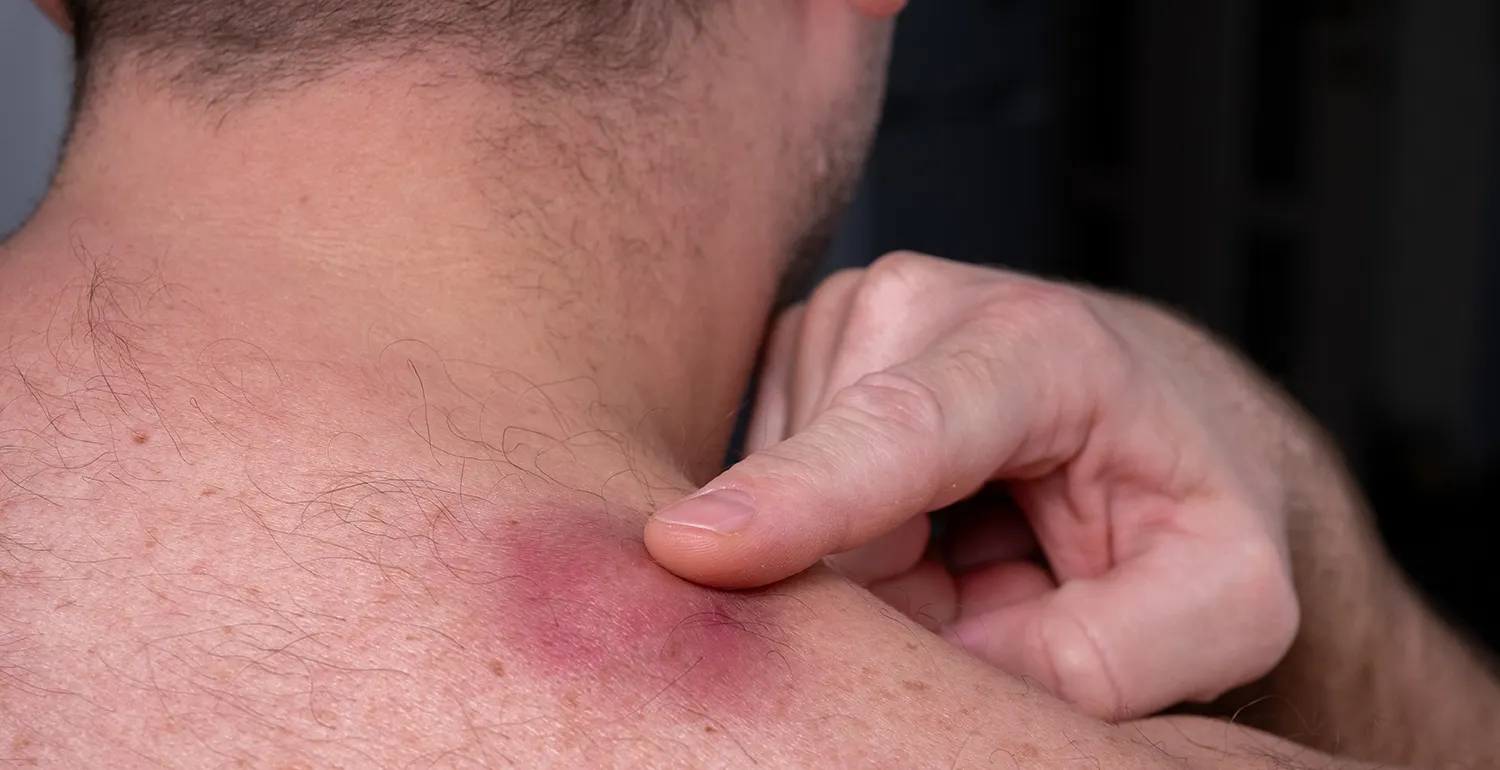
Cyst surgery is generally a minor procedure, but the exact approach and subsequent recovery time can vary depending on the cyst's size, location and condition.
For patients undergoing removal, questions about discomfort, wound healing, scarring and time away from normal activities are common. Having a clearer idea of what the procedure involves, from preparation and removal to wound care, can help you feel better prepared for each stage of treatment.
What Is Cyst Surgery?
Cyst surgery is a procedure used to remove a cyst from the skin or underlying tissue. The procedure is usually carried out through a small incision that provides access to the cyst while limiting disruption to the surrounding area. Rather than simply draining the material inside, surgical removal aims to remove the cyst wall or capsule as well, helping to reduce the likelihood of the same cyst forming again.
How Should You Prepare for Cyst Surgery?
Before the surgery, your doctor will carry out an assessment of your cyst and the surrounding skin in order to confirm a diagnosis and plan out the appropriate surgical approach. During this consultation period, you can help your doctor prepare for the procedure by providing relevant information about your health and any changes you have noticed.
- Share your medications and supplements: Let your doctor know what you are currently taking, particularly medications that may affect bleeding. Do not stop any prescribed medication unless your doctor advises you to do so.
- Mention allergies and previous reactions: Inform your doctor about any known medication allergies or previous reactions to local anaesthesia.
- Discuss relevant medical conditions: Certain health conditions may affect surgical planning, wound healing or aftercare, so provide your doctor with an accurate medical history.
- Report changes to the cyst: Let your doctor know if the cyst becomes red, swollen, painful or starts discharging before surgery, as active inflammation or infection may affect how or when removal is performed.
- Follow your pre-surgery instructions: Your doctor will provide any specific instructions you need to follow before the procedure based on your individual circumstances.
What Happens During Cyst Surgery?
On the day of your surgery, your doctor may carry out a final check and confirm the planned procedure with you before getting started. You will then be positioned comfortably so the treatment can begin. Cyst surgery is usually performed under local anaesthesia, so you will remain awake while the area around the cyst is numbed. For a straightforward removal, you can usually return home after the procedure without an overnight hospital stay.
Numbing the Treatment Area
Local anaesthetic is injected around the cyst to numb the treatment area. Your doctor will make sure the anaesthetic has taken effect before beginning the removal. While you should not feel sharp pain, you may still notice some pressure, pulling or movement during the procedure.
Removing the Cyst and Cyst Wall
Once the area is numb, your doctor will make a small incision to reach the cyst and carefully separate it from the surrounding tissue. The aim is to remove the cyst together with its wall or capsule, rather than simply emptying its contents.
Removing the wall is important because it is the structure in which the cyst forms. If part of it remains beneath the skin, the cyst can potentially develop again in the same area.
Closing and Dressing the Wound
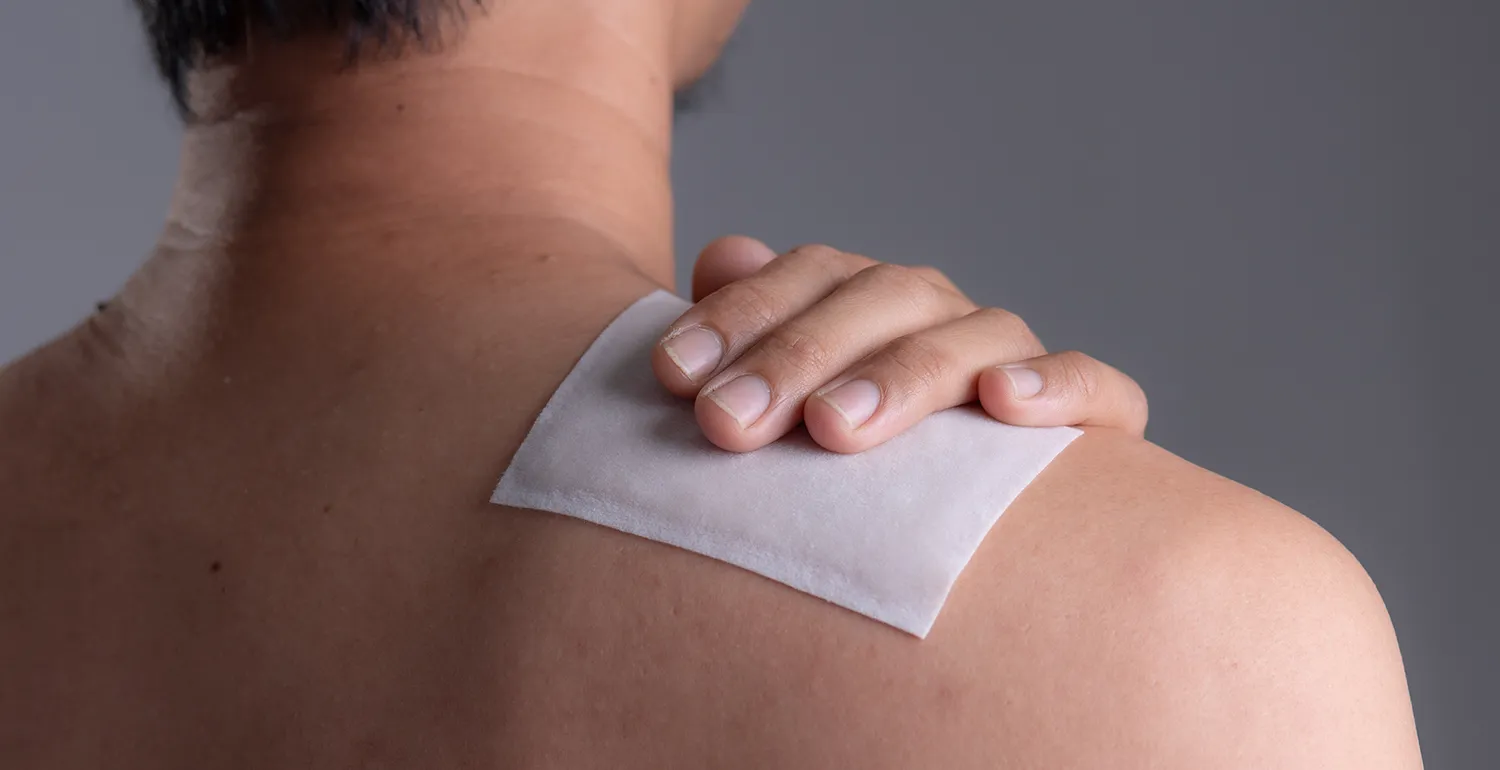
Once the cyst has been removed, the incision may be closed with stitches depending on its size and location. A dressing is then placed over the wound to protect it as healing begins.
The removed tissue may also be sent for laboratory examination where appropriate, particularly if your doctor needs to confirm the diagnosis or investigate any unusual features.
Once the procedure is successfully completed, you will be given instructions on how to care for the wound at home and what to expect as it heals. Following these aftercare measures after you are discharged can help support your recovery and reduce the risk of ensuing problems.
What to Expect During Cyst Surgery Aftercare and Recovery
After returning home, the wound will begin healing over the following days. Mild soreness, swelling or bruising is common at first and should gradually improve, while proper wound care helps keep the surgical site protected during recovery.
Caring for the Wound
Keep the wound clean and protected using a surgical dressing. Follow your doctor's instructions for changing or removing the dressing, and be careful not to get the wound wet. Avoid picking at the site or disturbing any scab that forms while the skin heals.
Managing Soreness and Swelling
Some soreness, tenderness, swelling or bruising can occur once the local anaesthetic wears off. These effects are usually most noticeable during the first few days before gradually settling.
Pain relief can be used as advised by your doctor. Increasing pain, redness, warmth, swelling or discharge should be reported immediately.
Stitches and Follow-Up
If non-dissolvable stitches are used, you will return to the clinic to have them removed, commonly within 1-2 weeks after surgery. Your doctor can also check how the wound is healing during this visit.
If the cyst was sent for laboratory examination, the findings can be discussed with you once the results are available.
Returning to Normal Activities
Most people can return to light everyday activities a short time after cyst surgery. Strenuous exercise, heavy lifting and activities that pull or place pressure on the wound should be avoided until the area has healed sufficiently.
What Are the Possible Risks of Cyst Surgery?
Cyst surgery is generally a minor procedure, but like any surgery, it carries some risks. These can include:
- Bleeding: Minor bleeding can occur around the surgical site.
- Infection: Increasing redness, warmth, swelling, pain or discharge may indicate an infection.
- Scarring: A scar will remain where the incision is made, although its appearance should gradually settle.
- Wound separation: The wound can occasionally reopen before it has fully healed.
- Recurrence: The cyst may return if part of its wall remains beneath the skin, necessitating future surgery.
- Damage to nearby structures: Although uncommon, nearby nerves or tissues can be affected during removal.
Contact your doctor if you notice worsening pain, persistent bleeding, increasing swelling, discharge or other unexpected changes during recovery.
A Patient-Centred Approach to Cyst Removal Surgery
Knowing what happens before, during and after cyst surgery can make it easier to approach treatment with a clear idea of what to expect. This preparation can help you proceed confidently and make the experience feel more manageable.
At TSN Dermatology, Dr Koh Hong Yi provides personalised assessment and surgical treatment for cysts and other skin growths, drawing on more than 20 years of experience in medical and surgical skin care.
Contact us today to arrange a consultation with Dr Koh and discuss your treatment options.
Meet Our Doctor
MBBS, MRCP (UK), M.Med (Internal Medicine), FAMS (Dermatology)

Dr Koh Hong Yi has over 20 years of clinical experience spanning Singapore and the United Kingdom. He previously served at Singapore General Hospital and was involved in medical teaching at Duke-NUS Medical School. He believes in a personalised and thoughtful approach to care, taking the time to understand each patient’s concerns and recommend treatment tailored to their needs.
More About Dr Koh